

Storage7 min read
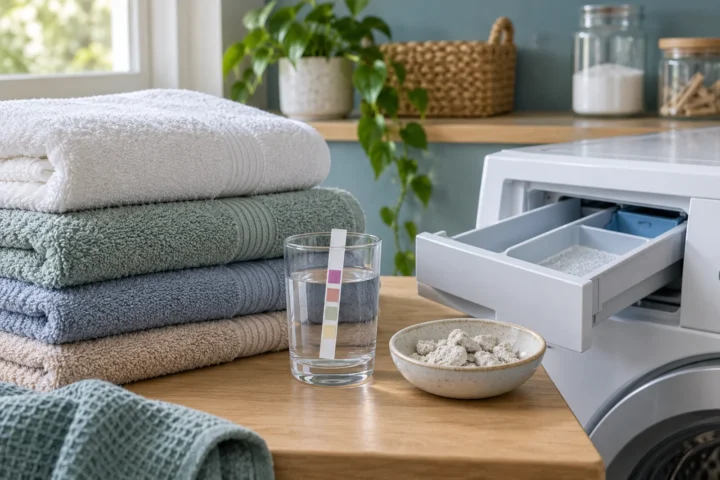
How to Store Clean Laundry Without Trapping Musty Odor
Confirm complete dryness, clean the storage space, preserve airflow, separate worn items, and investigate room moisture instead of masking it.
Archive
Storage7 min read
Confirm complete dryness, clean the storage space, preserve airflow, separate worn items, and investigate room moisture instead of masking it.
Garment Care7 min read
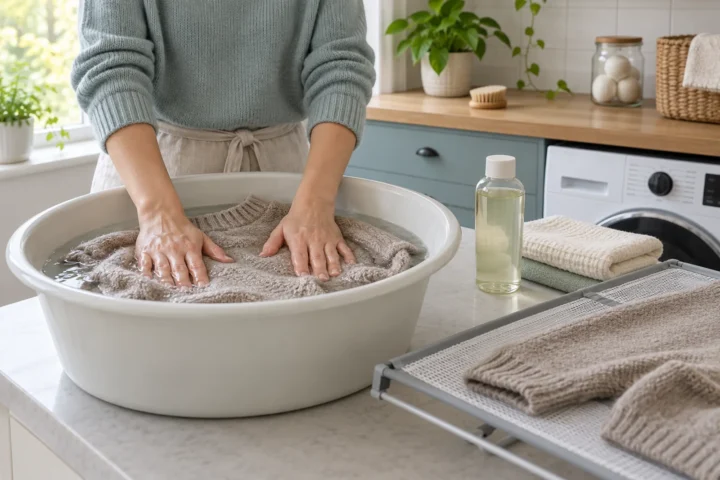
Control temperature change, alkalinity, agitation, load weight, extraction, and flat drying while letting the care label decide whether washing is appropriate.
Laundry Gear7 min read
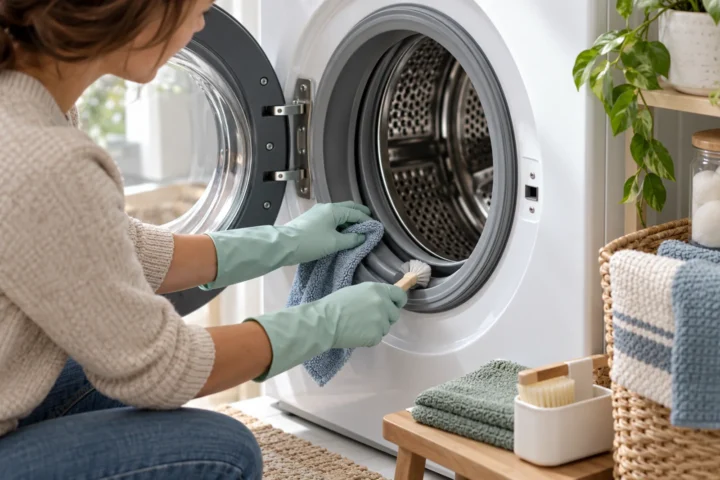
Inspect folds, remove debris, use only approved cleaner, clear drain holes, dry surfaces, and investigate leaks instead of scrubbing harder.
Drying7 min read
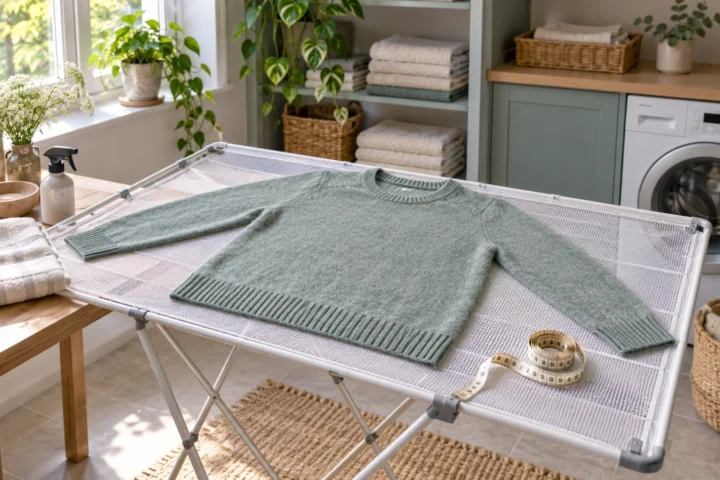
Remove water without wringing, restore measurements on a breathable surface, support the full garment, and turn only when structure can handle it.
Washing7 min read
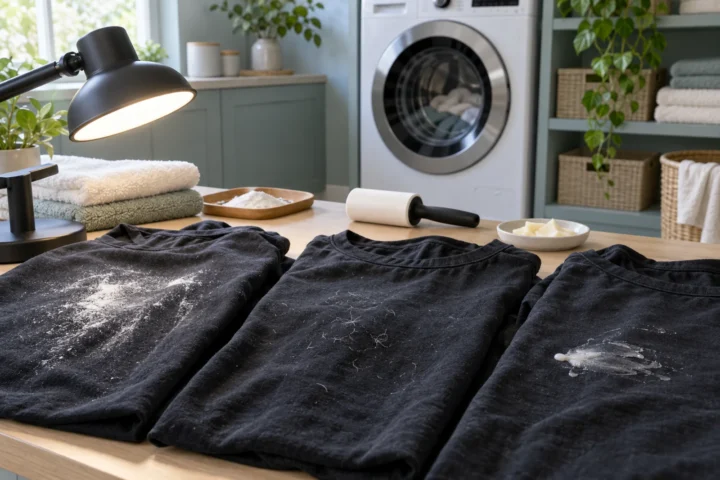
Powder, lint, minerals, overloaded drums, low water, and undissolved pods can all leave pale marks that need different corrections.
Washing7 min read
Minerals can reduce cleaning efficiency and leave deposits, but grayness, stiffness, and odor also have other causes that should be separated.
Washing7 min read
Dose for load size, soil, water hardness, machine type, and product concentration—not the size of the cap or the amount of foam.
Stain Care7 min read
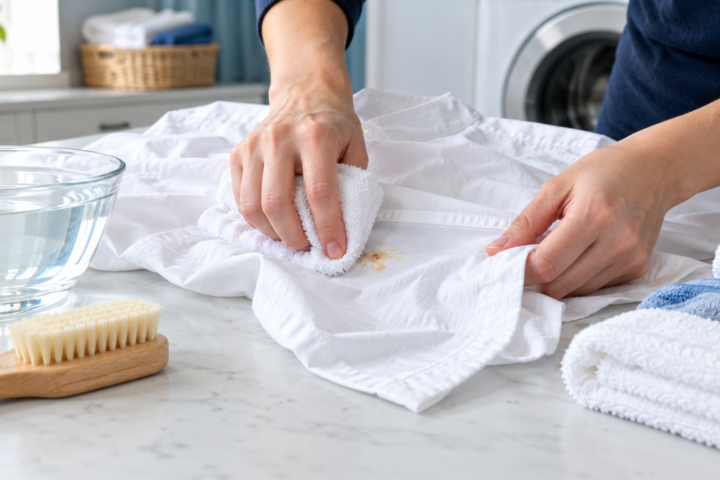
Identify oil, protein, tannin, pigment, and fabric limits before choosing water temperature, detergent, enzyme, or bleach.
Drying7 min read
Extract more water, create spacing, move room air, manage humidity, reshape garments, and fold only after seams are truly dry.
Garment Care7 min read
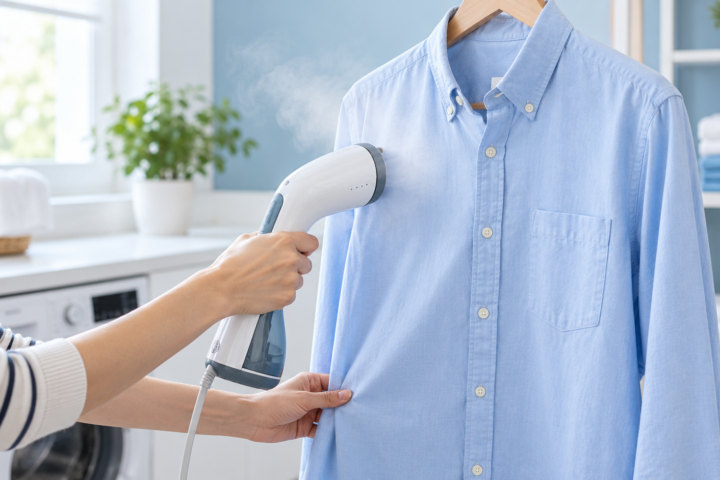
Read the care label, support the garment, test water and heat, work in sections, and let fabric dry before deciding whether another pass is needed.